Home
Since the beginning of the electronics revolution some seven decades ago, the rapid adoption of semiconductor technology across industrial, military, aerospace, automotive, consumer, medical, communications, IoT, and, more recently, AI applications has driven extraordinary growth in the global electronics sector. Over the past six decades, the industry has experienced some of the highest growth rates in employment and international trade of any major industrial sector. As a result, annual global semiconductor revenue now exceeds US$700 billion, while the worldwide electronics market is estimated to be approaching US$3 trillion.
Even more important than the economic value of the electronics industry is the impact that chips have on society. They influence almost every aspect of our daily lives. They affect the way we work, improve the safety and driving comfort of our cars, enhance our listening and viewing experiences, and make many everyday tasks easier and faster through technologies such as the Internet of Things (IoT) and artificial intelligence (AI).
Our social lives, in particular, have been transformed by the rapidly growing communications market. Smartphones and tablets represent perhaps the ultimate examples of popular electronic products that combine communication, information, and entertainment, enabling people to connect and socialize anytime and almost anywhere. These devices are marvels of electronic engineering, incorporating capabilities that once required a full-sized personal computer, while the number and sophistication of their features continue to increase.
Although chips have already been used in medical applications for several decades, their widespread adoption in medical and biological diagnostics and analysis may still be at an early stage. The development of increasingly sophisticated sensors, combined with the memory and processing capabilities of modern chips, will enable future applications that may go far beyond what we can imagine today.
All in all, chips contribute to the safety, health, comfort, and well-being of our everyday lives to such an extent that they have become one of the dominant forces driving the continuing electronics revolution.
At the same time, creating a chip is an extraordinarily complex undertaking. A modern semiconductor device is the result of an extensive development cycle requiring enormous design resources and highly sophisticated manufacturing processes. Semiconductor fabrication represents one of the most advanced and complex manufacturing technologies in existence today. Building a state-of-the-art semiconductor wafer fabrication facility, or “fab,” can require an investment of tens of billions of US dollars.
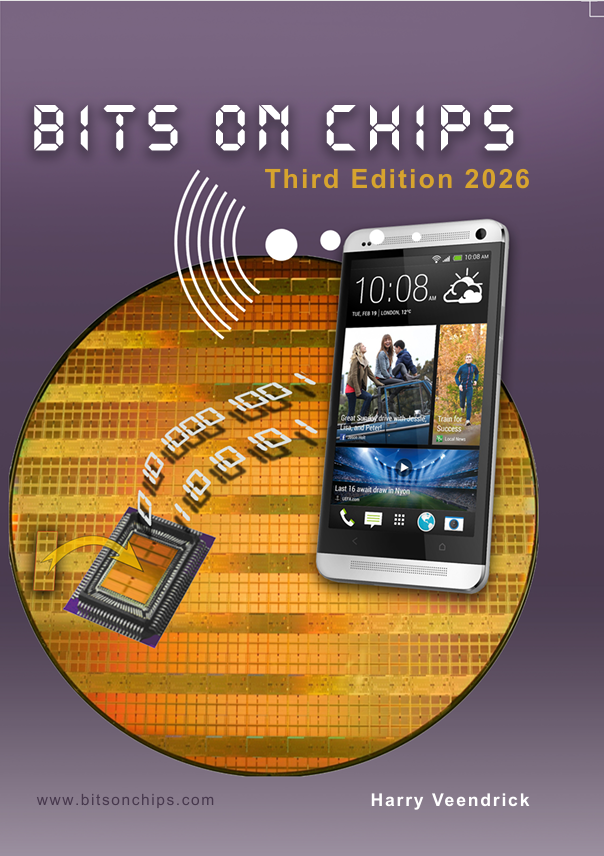
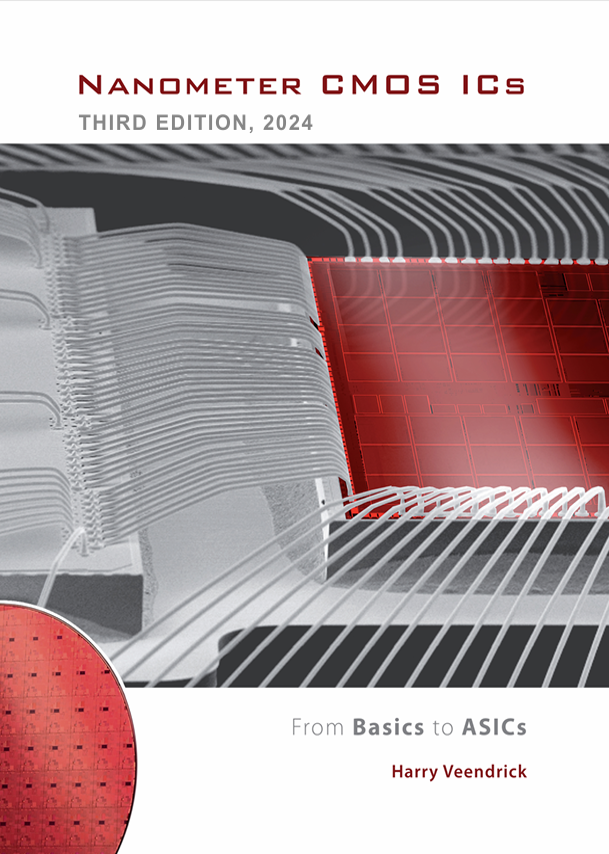
Bits on Chips is an attempt to make this fascinating world of microelectronics accessible to a wider audience. It consists of two books and three courses, each developed for a different target audience and level of technical interest.
The links provided throughout the website guide visitors systematically through the contents of these books and courses, allowing them to explore the world of microelectronics at the level most appropriate to their interests and background.